


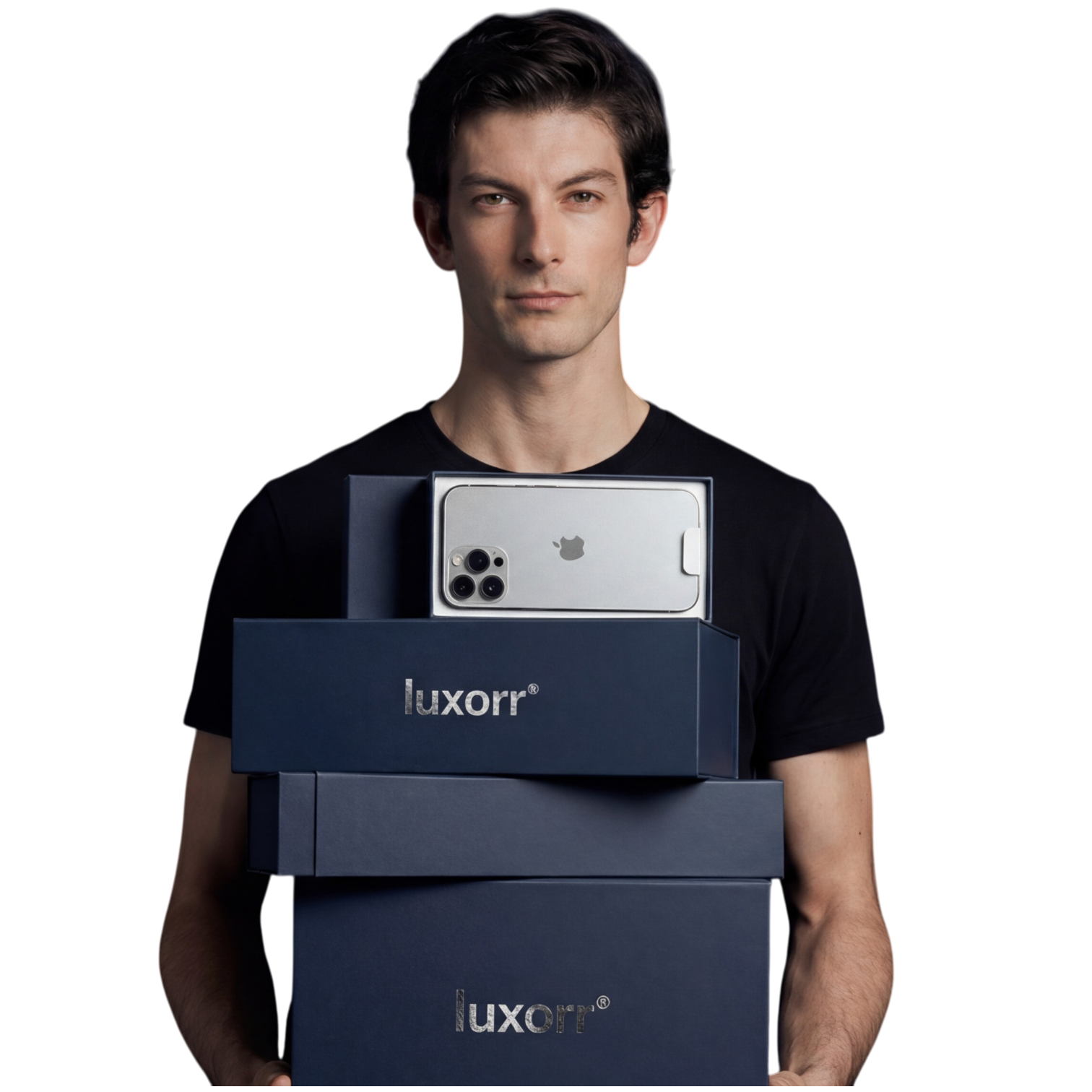


Why Employee Recognition Has Become a Strategic Priority
In recent years, companies have shifted focus from pure compensation to overall employee experience. Retention is no longer driven only by salary — it is influenced by how employees feel about the company on a daily basis.
Research across multiple industries shows that employees who feel recognized are significantly more likely to stay longer, perform better, and promote the company externally.
This is where corporate gifting and branded merchandise (swag) have become part of HR strategy — not just a marketing add-on.
Research across multiple industries shows that employees who feel recognized are significantly more likely to stay longer, perform better, and promote the company externally.
This is where corporate gifting and branded merchandise (swag) have become part of HR strategy — not just a marketing add-on.
The Role of Corporate Merch in Employer Branding
Corporate merch is no longer limited to cheap promotional items.
Strong companies treat merch as a representation of their brand.
High-quality swag:
When employees wear or use branded products voluntarily, it reflects genuine engagement rather than forced branding.
Strong companies treat merch as a representation of their brand.
High-quality swag:
- reinforces company identity
- creates a sense of belonging
- turns employees into brand ambassadors
When employees wear or use branded products voluntarily, it reflects genuine engagement rather than forced branding.
Employee Gifting as a Retention Tool
Employee gifting works best when tied to specific moments in the employee lifecycle.
These include:
Unlike bonuses, physical gifts create a lasting memory. They signal recognition in a more personal and tangible way.
These include:
- onboarding
- work anniversaries
- performance milestones
- promotions
- company-wide events
Unlike bonuses, physical gifts create a lasting memory. They signal recognition in a more personal and tangible way.
Global Teams and the Complexity of Corporate Gifting
As companies scale internationally, employee gifting becomes operationally complex.
Challenges include:
Without a structured system, gifting quickly becomes inconsistent and inefficient.
Challenges include:
- sourcing consistent products across regions
- managing shipping and customs
- ensuring timely delivery
- maintaining brand consistency
Without a structured system, gifting quickly becomes inconsistent and inefficient.
Why Companies Use Corporate Gifting Platforms
Modern companies move gifting into centralized platforms to:
This turns employee recognition into a scalable process rather than a manual task.
- standardize employee experience globally
- control budgets and approvals
- automate recurring gifting campaigns
- manage inventory and logistics
This turns employee recognition into a scalable process rather than a manual task.
Conclusion
Corporate merch and employee gifting are no longer optional.
They are part of how companies compete for talent, build culture, and retain teams — especially in competitive and global industries.
They are part of how companies compete for talent, build culture, and retain teams — especially in competitive and global industries.